Education
Our Approach
Equitable Access: All children have the right to access and complete a full course of education opportunities. Al Rahmat specifically focuses on the primary and secondary years. We ensure equal access to quality education for all students, regardless of gender, sexual orientation, or geographic location. We are committed to reaching the people in the most vulnerable situations. In particular, boys and girls living in remote areas, those from ethnic minorities, and people living with disabilities.
Learning: Attending school is not enough. Children need to have access to quality teaching and learning. They need to leave school with the relevant knowledge and skills that will enable them to work, lead healthy lives, continue to learn, and be active and responsible citizens.
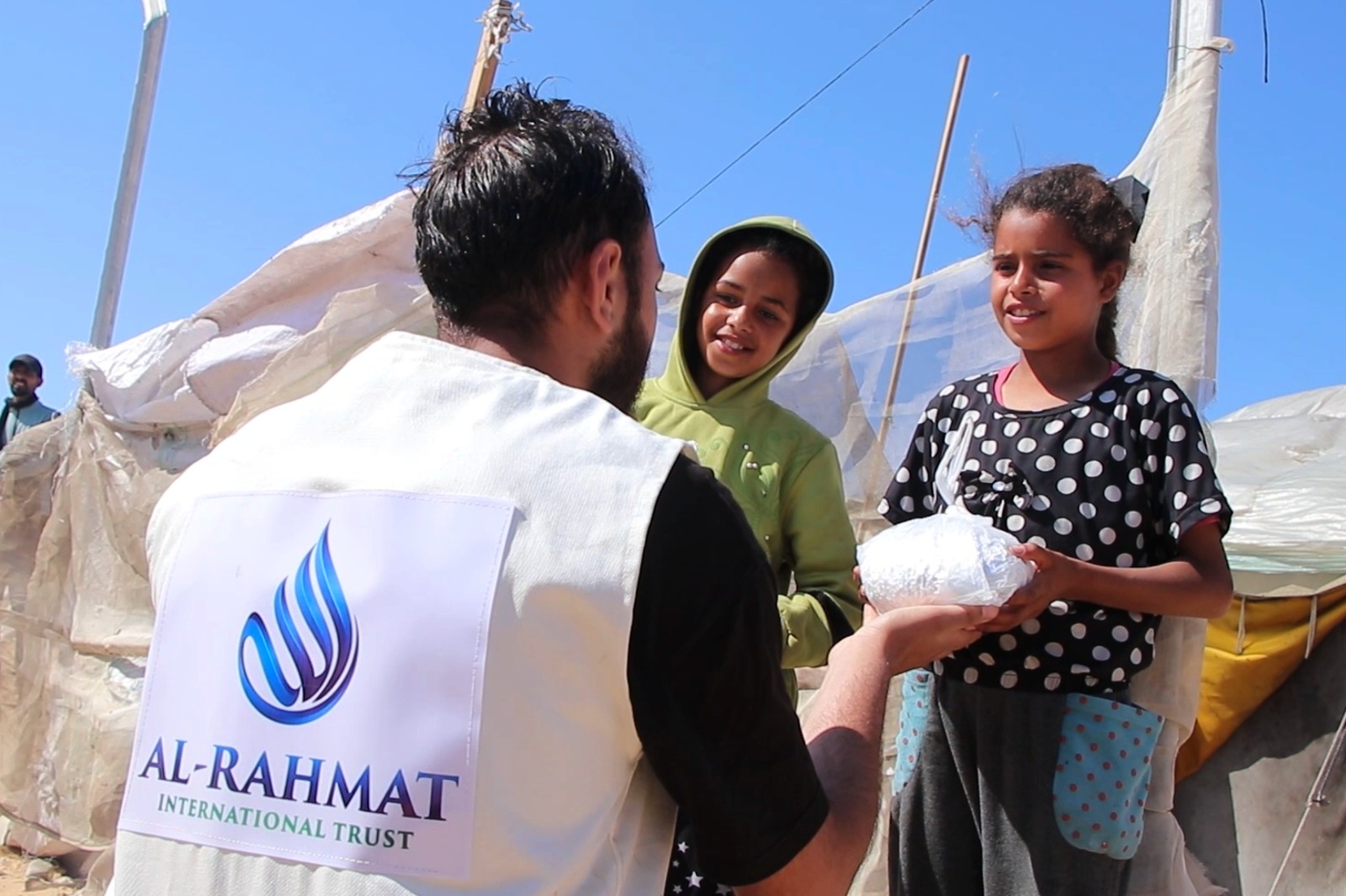
Safe and protected young people: Al Rahmat’s education programming restores educational opportunities for displaced children and refugee students by creating safe, protected environments for students to learn. We work with schools, communities, and institutions to strengthen protection mechanisms and systems. We ensure well-being by providing young children with access to safe spaces where they can develop their cognitive, emotional, and social skills.
Sustainability: To promote sustainability, Al Rahmat trains educators and tailor’s curriculum to meet students’ needs. We teach valuable life skills geared towards finding employment, such as computer skills, accounting, and financial literacy.